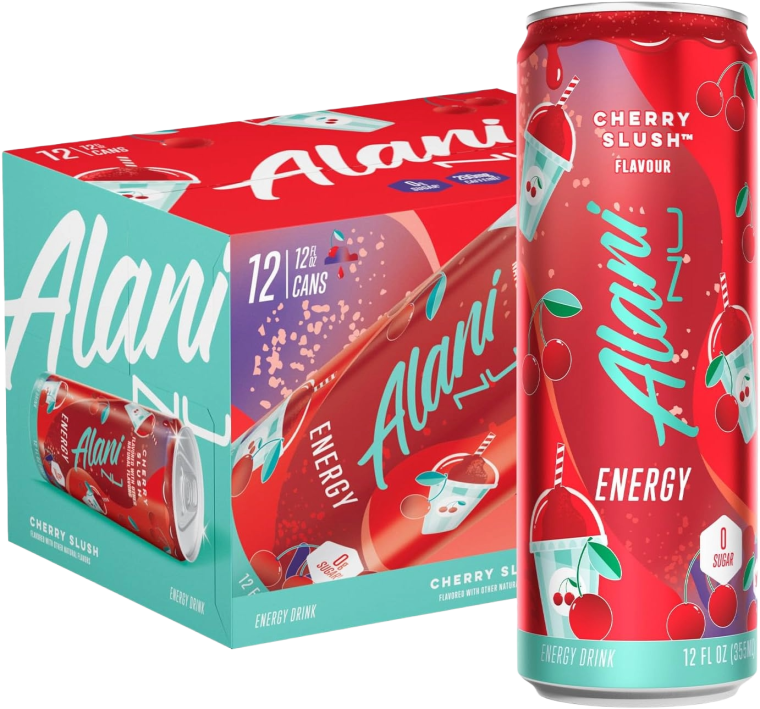
Energy drinks are a rapidly growing market as more young people are cutting back on alcohol in favor of alternative drinks with purported health benefits. One popular brand is Alani Nu, which makes “wellness and fitness products” such as energy drinks and supplements, according to the company’s website.
But is Alani Nu energy drink actually good for you? That’s the question that arose after the April 2026 death of 17-year-old Larissa Nicole Rodriguez from Texas. The coroner said she died of “heart enlargement due to stress and large amounts of caffeine,” NBC News reported. The family’s lawyer said that in the year before she died, she drank at least one can of Alani Nu per day.
The family has since sued a local beverage distributor, which did not respond to NBC News’ requests for comment. The lawyer said Rodriguez believed the drink had health benefits and argued that there was “insufficient warning about the serious cardiac risks posed by the product.”
Asked about Rodriguez’s death, Celsius, the company that owns Alani Nu, told NBC News that it does not recommend the product to children and does not sell it to anyone under 18.
“We take product safety seriously and believe that consumers should have clear information about what they are drinking,” the statement added in part.
According to the Centers for Disease Control and Prevention, 30 to 50 percent of adolescents report consuming energy drinks. Data from America’s Poison Center, which represents certified poison control centers across the United States, found a 24.2% increase in calls related to energy drinks for children from 2022 to 2023. The biggest spike was in children ages 6 to 12.
According to the CDC, 11.6% of schools sell energy drinks in vending machines, stores, and snack bars on campus. Approximately 75% do not have a policy regarding the sale of caffeinated drinks at school, despite major child health organizations recommending that children avoid or significantly limit their caffeine intake.
Data collected by the American Poison Center shows that children often don’t realize they’re drinking an energy drink, or even if they do, they don’t realize how much caffeine it contains.
For kids and adults, here’s what you need to know about Alani Nu energy drink, its health benefits and whether there are any risks.
What is Alani Nu?
The brand was founded in 2018 by fitness trainer Katie Hahn and her husband Haydn Schneider. Caffeinated fitness drink brand Celsius took notice when its slim, fluorescent cans and collaborations with the likes of Kim Kardashian made it popular, and it started appearing on shelves alongside more traditional products.
In 2025, Celsius acquired Alani Nu for $1.8 billion, praising the “female-centric brand offering aspirational yet accessible functional beverages and wellness products for a growing community of Gen Z and Millennial consumers.”
Alani Nu’s products include pre-workouts, gummy snacks, protein bars, “super green” powders, creatine, “fat-burning” capsules, energy powders, and branded canned energy drinks for the “It Girl era.”
One can of energy drink contains 200 milligrams of caffeine. According to the label, the mini cans contain 100 milligrams of caffeine, and the powdered energy sticks contain 200 milligrams.
These products contain no sugar and range from 5 to 15 calories.
According to Alani Nu’s website, the energy drink’s ingredients include carbonated water, citric acid, taurine, sodium citrate, sucralose, L-theanine, Panax ginseng root extract, guarana seed extract, caffeine, and B vitamins.
Is alani wildebeest good for you?
Alani Nu Energy Drink contains taurine and L-theanine, amino acids that occur naturally in the body, as well as guarana, a plant that contains caffeine, and B vitamins.
B vitamins play a role in energy production, immune health and blood cell development, TODAY.com previously reported.
Other ingredients in Alani Nu include adaptogens, botanicals that help manage physical and mental stress. “Although it has plausible effects on alertness and energy in adults, there is limited evidence of long-term health benefits, especially at single-can doses,” registered dietitian and author Erin Palinsky-Wade told TODAY.com. (She is in no way affiliated with Alani Nu or any energy brand.)
Although these ingredients are generally considered safe on their own, the average healthy adult likely needs to take them multiple times to reap the health benefits, she says. And given energy drinks’ caffeine content, it could be harmful, she added. Alani Nu also notes that the FDA’s daily caffeine intake limit is 400 milligrams, and recommends that children, people with caffeine sensitivities, and those who are pregnant or breastfeeding avoid this product.
Although there are no clinical studies to support this, Palinsky-Wade says it’s possible that just one serving can reduce stress and fatigue. There’s also not enough data on how these ingredients interact when combined, she added.
Alani Nu did not immediately respond to TODAY.com’s request for comment regarding claims that Alani Nu’s energy drinks have health benefits.
Another prominent ingredient listed on Alani Nu’s label is caffeine.
According to the U.S. Food and Drug Administration, most adults can tolerate up to about 400 milligrams of caffeine per day. This amount is “generally not associated with adverse effects,” Palinksi-Wade added.
One full-size can of Alani Nu contains about half of this amount, and the company’s website states that “daily caffeine intake should be limited to approximately 400 mg from all sources.”
For comparison, the average cup of coffee contains 113 to 247 milligrams of caffeine, green tea 37 milligrams, black tea 71 milligrams, and caffeinated soft drinks 23 to 83 milligrams, according to the FDA.
Alani Nu also contains sucralose, which the FDA considers safe when consumed in moderation. However, some studies have linked high intake of sucralose to increased risk of heart disease and negative effects on the gut microbiome.
Is Alani Nu safe to drink every day?
Although Alani Nu’s intake falls within the federally recommended caffeine intake range, it may still be unsafe for some people to consume on a daily basis, Palinksi-Wade said.
“People with health conditions, such as heart disease, may be at increased risk of side effects if energy drinks contain excess caffeine or other ingredients,” Palinksi-Wade says, so drinking one energy drink a day may not be safe.
According to the Cleveland Clinic, people who are sensitive to caffeine can affect how well they can tolerate the stimulant effects of caffeine, and may not be able to drink an energy drink during the day.
Alani Nu’s website states that its energy drinks are not recommended for children, people sensitive to caffeine, pregnant women, or breastfeeding women.
Consult your health care provider if you regularly consume energy drinks such as Alani Nu.
Is alani wildebeest safe for teens?
Age changes things.
The American Academy of Pediatrics (AAP) says children and teens shouldn’t consume caffeine at all.
The American Academy of Child and Adolescent Psychiatry (AACAP) says children and teens should not drink energy drinks, and those under 12 should avoid caffeine altogether. For children ages 12 to 18, caffeine should be limited to 100 milligrams per day.
“Caffeine is not recommended for young children,” agrees Parisinki-Wade.
According to the CDC and AAP, the health risks of consuming energy drinks for children and teens include:
- dehydration
- heart problems
- anxiety
- Insomnia and sleep disorders
- hyperactivity
- Caffeine addiction. Once the effects wear off, it may cause headaches, irritability, and fatigue.
Alani Nu clearly states on its website and labels that its products are not intended for children.
What to drink instead of energy drinks recommended by registered dietitians
Few people, especially young people, need large amounts of caffeine, Palinsky-Wade said.
It’s better for your health to focus on adequate hydration, quality rest, and a diet that includes complex carbohydrates, protein, and healthy fats for consistent energy. “Adding some moderate physical activity each day can also help boost your overall energy levels,” adds Palinksi-Wade.
The AAP advises parents to focus on keeping children hydrated with milk and water.
#Alani #healthy #Nutritionist #evaluates #caffeine #content #adaptogenic #ingredients