Protein is found everywhere: breakfast cereals, snacks, dairy products, drinks, and even bread. What started as part of a broader shift to healthier living has become a huge industry of fortified products, influencers, and nutritional anxiety.
But how much protein do we really need? According to Dr. Sigal Frishman, chief dietitian at Clalit Health Services Hospital, the answer is not as dramatic as the marketing suggests.
2 View gallery
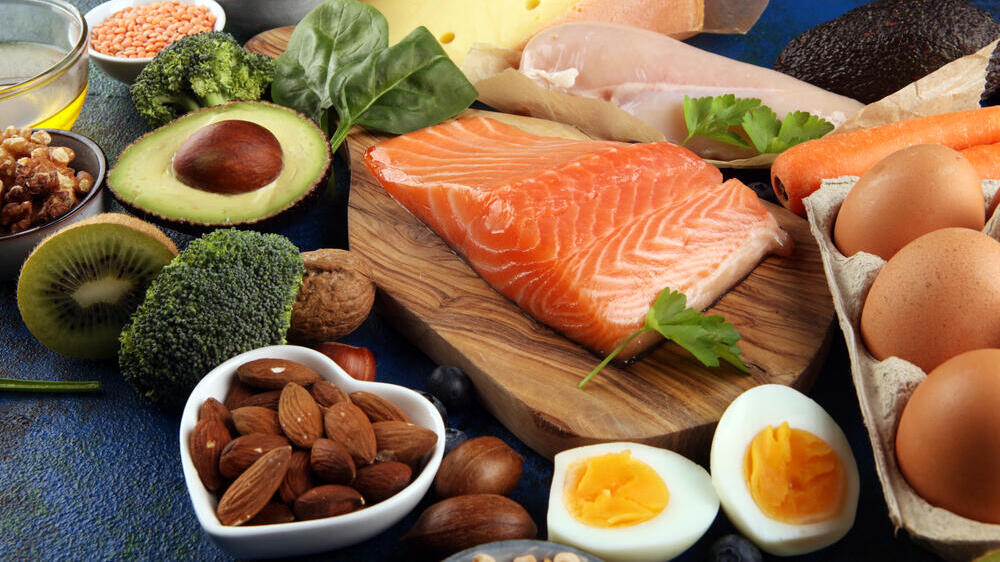
How much protein do we really need?
(Photo: beats1/Shutterstock)
“The recommendation to consume 25 grams of protein after a workout is primarily aimed at athletes looking to increase muscle mass for athletic performance,” Frischmann said. “Others certainly need to consume protein as part of their diet, but it doesn’t necessarily have to be taken immediately after a workout.”
The idea of a narrow “window of opportunity” after exercise has been shown to be inaccurate even for athletes, she added.
“Protein should be consumed according to the daily amount, not necessarily after a workout,” she said. “Right now, the hype is about protein. It used to be about fiber, and before that it was about vegetables of all colors. We need to understand that our bodies need everything in balance.”
For healthy people, consuming more protein than necessary is unlikely to cause much harm, but it’s also usually unnecessary, Frischmann said.
“If a healthy person consumes more protein than they need, nothing will probably happen,” she says. “But there’s no reason to consume too much protein, because ultimately your body will take in the protein it needs and excrete the rest. For people with kidney problems, that can be unhealthy.”
As she explains, the body doesn’t store excess protein in a useful way. Excess calories can be stored as fat.
2 View gallery
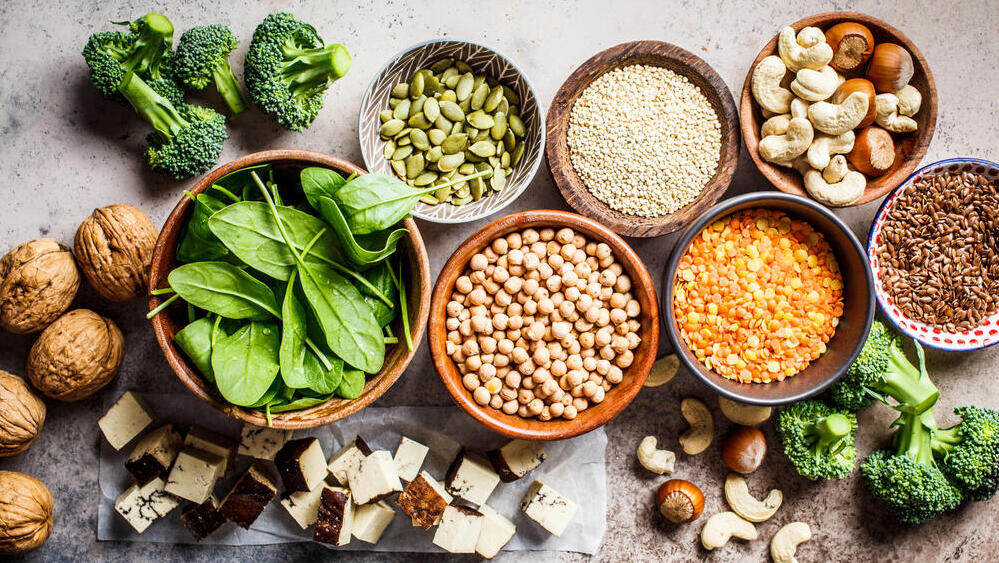
the body does not store excess protein in a beneficial way
(Photo: Nina Firsova/Shutterstock)
“So there’s not much point in consuming more protein than your body needs,” she says.
Frischmann also cautioned against assuming that all protein-rich products are equally nutritionally valuable.
“The body doesn’t differentiate between where that protein comes from, whether it’s from a processed food like a protein bar or from steak or eggs,” she says. “But if you eat lentils, for example, you get a lot of other good things for your body. If you eat a protein bar, you don’t get anything good other than protein, so I don’t recommend it. It’s better to get your protein from other sources.”
Professor Danit Ainger of Tel Aviv University said protein has become one of the most competitive categories in the food industry.
“Protein is one of those crazy competitive categories,” she says. “It’s an evolution. First there were no preservatives, then there were no probiotic bacteria, no sugar, no sodium. Now there’s protein.”
Ainger says this trend extends far beyond yogurt and protein powder to include cereals, snacks and other everyday items.
“It allows for competition and is another way to attract consumers to the product because of the added protein,” she said. “We’re seeing the amount of protein in our products continue to increase. We started with 10 or 15 grams of protein, then 20 or 30 grams, and now we’re up to 40 grams.”
This appeal is tied to a growing market of consumers interested in fitness, health and longevity, she said.
“The wellness industry is certainly in a certain position, but I think it’s actually moving in a good direction,” Ainger said. “It’s not just a status symbol. It’s a change in perception. People see their bodies as systems that need to be preserved and maintained, and that lead to longevity.”
Longevity, she said, is the idea of taking action to stay healthy and live longer.
“The most positive thing here is that consumers are kind of educated,” she said. “People understand that what they put into their bodies has long-term effects.”
#protein #Experts #explain #supermarket #trends