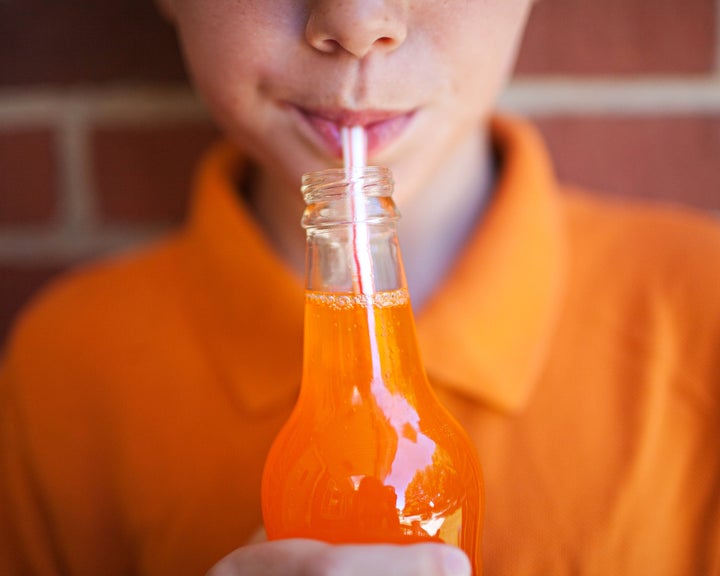
America is a nation of soda lovers. half the people in the usa (63% of youth and 49% of adults) drink soda every day. The crackling of ice as you pour it into your glass, the fizzing sound of it, the tickle in your throat as you take your first sip…you might be drooling just thinking about it.
Most people are smart about the fact that soda isn’t necessarily a nutrient-dense drink, but you may be wondering how much enjoying soda every day actually impacts your health. If you haven’t thought about it, it’s worth considering. After all, it is our daily habits that influence us the most. How much does drinking soda every day affect your health? Read on to find out.
Short-term effects of drinking soda every day
First, before we explain how soda affects the body, it helps to know what soda is made of. Virtually all sodas are made with the following ingredients: Carbonated water, sweetener (Usually sugar, high fructose corn syrup, or artificial sweeteners), phosphoric acid (contributes to the taste of the soda and extends its shelf life) and natural flavors. several types of soda Pepsi, Coca-Cola Classic, Coke Zero, Diet Coke, Mello Yello, and Dr. Pepper all contain caffeine.
On average, What’s in a regular can or bottle of soda? 155 calories, 38 grams of carbohydrates, 37 grams of sugar, 34 milligrams of caffeine. Considering this in perspective, The American Heart Association recommends that The upper limit for sugar is 25 grams per day for women and 36 grams per day for men, which is less than the amount found in one can of soda. Regarding caffeine, The Food and Drug Administration advises: Keep it below 400 milligrams per day.
Registered dietitian Sonya Angelone say There are several ways your daily soda intake can quickly affect your body. First, you’ll notice that: spike energy From caffeine and sugar. Angelone explained: Caffeine blocks adenosinethis is a neurotransmitter that makes you feel tired. At the same time, the simple carbohydrates contained in soda from sugar are quickly absorbed into the bloodstream and also contribute to an increase in energy. However, Angelone says the energy you get from soda doesn’t last long, and eventually it dwindles.
Dr. Supriya Rao, The doctor, who is quadruple board certified in internal medicine, gastroenterology, and bariatric medicine, says there are also ways soda can affect your gut right away. She says some people experience bloating and gas from carbonation and sugar. In fact, drinking soda every day can upset the gastrointestinal system, and people who drink soda every day can regularly experience abdominal pain, diarrhea, and constipation, she said. She explained that this is because all the sugar in soda feeds the “bad” bacteria in your intestines and destroys the integrity of your intestinal lining.
Long-term effects of drinking soda every day
In the short term, drinking carbonated drinks can give you a burst of energy (and then a dip), which can lead to abdominal pain. What about in the long run?
Regenerative medicine specialist Dr. neil paulvin If you drink soda every day, You may gain weight, especially belly fat. “Belly fat is dangerous and can increase your chances of: heart disease, metabolic syndrome, type 2 diabetes and breast cancer. In the long term, the habit of drinking soda on a regular basis not only increases the likelihood of these symptoms; kidney disease, high blood pressure and high cholesterol” he explained.
Melissa Lomax Spielman via Getty Images
Paulvin says that drinking soda every day can have negative effects on your health, especially your heart, and considering that, this is important information to know. Cardiovascular disease is the number one cause of death in the United States And it is largely preventable through a healthy diet and lifestyle. “some research “We know that people who drink soda, whether they drink regularly or on a diet, have an increased risk of heart disease and stroke,” he said.
Drinking carbonated drinks every day is also not good for your brain. Paulvin says soda can cause an increase in blood sugar levels. causes brain inflammation. In fact, drinking soda regularly has the following scientific effects: higher levels of depression and more likely to get dementia.
Can you avoid all of these health effects by choosing diet soda? Unfortunately, all three experts say diet soda has the following scientific effects: intestine, heart and brain problem, Too. All three say the artificial sweeteners in these drinks aren’t as good for us as sugar.
How to reduce soda intake
Want to start reducing your soda consumption now? Angelone says when you’re wondering what to replace soda with, it helps to think about what it is you love about soda so much. Is it because of the caffeine? If so, sparkling coffee or matcha can There may be a good replacement. (Take a close look at the ingredient list to make sure it doesn’t contain sugar or artificial sweeteners. If it doesn’t, it’s pointless.) Is it a combination of sweetness and carbonation? Sparkling water with fruit kombucha It could be your new go-to. “Try making your own infused water and save money at the grocery store,” Angelone suggested. Cucumber and mint, blueberry and orange, pomegranate Just a few options to try.
Angelone offers one caveat when replacing your soda habit with other caffeinated beverages, such as matcha or sparkling coffee. It’s not uncommon to get a headache when you quit soda, Angelone says, but for that matter, if you use other drinks that contain caffeine, don’t do it. To avoid headaches, she recommends tapering off caffeine slowly. “Caffeine is a stimulant, so you should be careful to avoid non-carbonated drinks that may contain caffeine or similar stimulants, such as matcha, green tea, chocolate, and yerba mate,” she added.
If you’re used to drinking soda every day and then quit cold turkey, you might feel more fatigued because you’re not getting as much caffeine as you’re used to, Angelone says. “To maintain energy, eat regularly throughout the day and snack on carbohydrates that are high in protein and fiber, such as Greek yogurt and berries or nut butter and banana,” she says, adding that it’s also important to: Drink lots of water. “If you develop this habit, you may feel more energized and alert while avoiding the afternoon slump.”
Mr. Angelone emphasized the importance of replacing soda with: something. “Carbonated drinks are a source of both caffeine and water, so it’s important to always replace water with other liquids when cutting down on caffeine. Otherwise, you can experience dehydration symptoms such as fatigue, dizziness, irritability, dry skin, and dry mouth,” she said.
Switching soda from an everyday drink to an “occasional” drink isn’t easy, but the switch has immediate and long-term health benefits.
The original version of this story was previously published on HuffPost.
#body #drink #soda #day