Our new study found that a single dose of psilocybin reduced symptoms of depression within days, and the effects lasted for more than three months compared to a placebo.
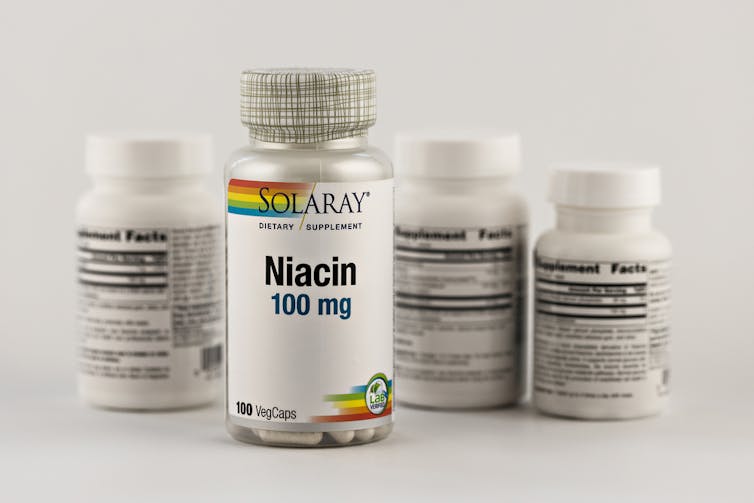
The study, published in JAMA Network Open, involved 35 people with recurrent depression. Participants were randomly assigned to receive either psilocybin or a placebo. Placebos (vitamin B3) mimicked the physical effects of psychedelic substances, such as temporary skin flushing.
Both groups also received psychological support before, during, and after treatment.
Several studies have investigated psilocybin for depression, but many focused on people whose symptoms did not respond to other treatments (so-called “treatment-resistant depression”). We wanted to test whether this drug could also help people with more common depression.
After just eight days, people who received psilocybin showed a significant improvement in mood. By the end of the six-week follow-up period, more than half of the participants in the psilocybin group no longer met criteria for depression. Only one person in the placebo group showed the same level of improvement.
Although the treatment was generally well tolerated, two participants experienced anxiety lasting several weeks.
We followed participants for a year to understand how long the benefits lasted. Based on self-assessed results, the effects of the psilocybin group lasted just over three months. The difference between the two groups then began to narrow as the placebo group improved. This is not unusual. Depression often comes in waves, and symptoms may decrease over time without treatment.
Just over a third of participants in both groups started taking antidepressants during the follow-up period, on average about four months after the start of the study.
Photo Gonzo/Shutterstock.com
blindness problem
One major challenge was “blinding,” which prevented participants from knowing whether they were given psilocybin or a placebo. Despite using identical capsules and an active placebo, nearly all participants were able to accurately guess which treatment they received. This is primarily because psilocybin produces a distinctive and unmistakable altered state.
This is important because expectations can drive results. For participants who received psilocybin, the strong effects on the day of administration may have amplified expectations that the treatment would help. For those who received a placebo and did not experience such effects, expectations may have turned into disappointment. Neither response is neutral when people later report their moods and symptoms.
People generally feel somewhat better just by participating in the trial, even if they are in the placebo group. They receive attention, support, and regular follow-up. However, previous research suggests that people given a placebo in psilocybin studies often improve less than those given a placebo in traditional antidepressant trials. A similar pattern was observed.
If the placebo arm of a psilocybin trial does not improve in the usual way, the difference between psilocybin and placebo could increase, making the drug’s effect appear larger than it actually is.
Taken together, our findings add to the evidence that psilocybin has the potential to provide a fast-acting and relatively long-lasting treatment for depression, not only for patients with treatment-resistant depression, but also for people with more common forms of the condition. These are qualities that can make a big difference for patients.
At the same time, they highlight a central challenge for the field: how to disentangle the biological effects of drugs from the powerful roles of expectation and experience. Answering that question is critical to understanding how psilocybin fits into the future of mental health care.
#study #single #dose #psilocybin #alleviated #symptoms #depression #months