Getting older is a fact of life.
But thanks to improved medical care and innovative technology, more people are living longer, healthier lives.
But aging isn’t always easy. This is because as we age, our bodies and minds deteriorate, making us more susceptible to various diseases such as diabetes, dementia, and some cancers.
Our new research followed more than 12,000 older Australians to find out whether staying socially and mentally active can help people stay fit as they age.
Here’s what we discovered.
how your body ages
As we age, our body’s tissues and organs no longer function effectively. This is due to a process known as biological aging, which scientists track by measuring how well cells in the body are functioning.
This process affects everyone differently. As a result, some people are able to maintain good health until later in life, while others age prematurely and become physically frail.
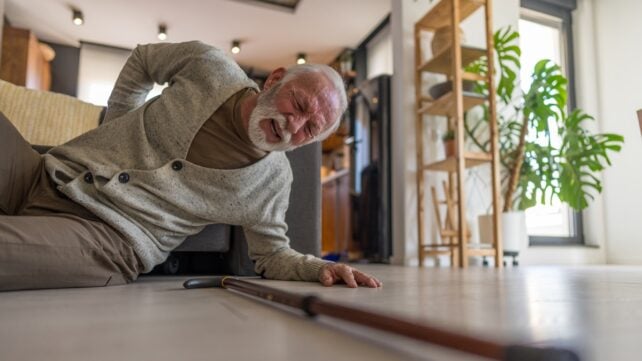
Frailty is a common condition in older adults that affects their ability to recover from illness or injury.
This is a sign that your body is deteriorating and can increase your risk of falling and being hospitalized. It can also make you more susceptible to a variety of illnesses, including heart disease, dementia, depression, and even death earlier.
what we learned
Our recent research investigated whether certain social and learning-based activities can help prevent or reduce frailty in older adults.
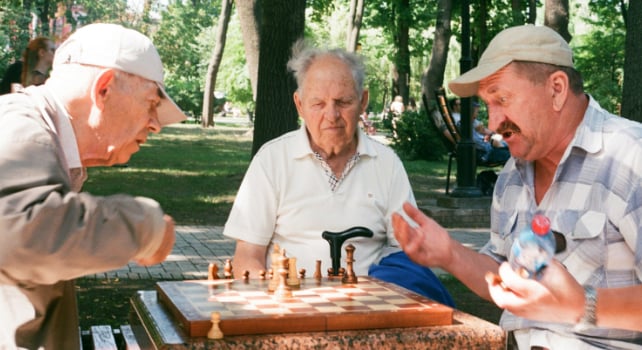
Specifically, we focused on 19 types of activities that engage older adults at either cognitive, social, or cultural levels. Examples include passive mentally stimulating activities, such as listening to music or watching television, and more active activities, such as doing puzzles or playing chess.
Importantly, our study did not consider the influence of other lifestyle factors, such as regular exercise or a healthy diet, on frailty. This is because there are already many studies showing that these factors significantly reduce the risk of early frailty.
Our study recruited 12,862 Australians aged 70 and over. All participants were in relatively good health and did not have any major illnesses such as heart disease or dementia.
They then followed them for 11 years, collecting data on key disease indicators each year. These include the amount of excess abdominal fat participants have, whether they smoke, and more.
We also assessed their cognitive functioning, for example by asking them to recall a list of words after saying a short sentence.
We measured their physical performance by looking at how fast they walked and how tightly they could grip objects with their hands.
We then looked at how easily they completed everyday tasks such as dressing, bathing, and preparing meals.
They also used two scientific tools to determine how each participant was aging. These include the Deficit Accumulation Index, which measures whole-body aging, and the Fried Phenotype, which measures how physically frail a person is.
what we found
Our research found that socializing and learning are associated with staying physically stronger.
On average, participants who joined a club or community organization were 3% less likely to become frail over a seven-year period.
Similarly, having a larger support network (e.g., at least four relatives or friends who can be contacted regularly and asked for help) also led to reduced frailty.
This may be because both forms of social connection encourage older adults to use their minds and get outside.

This same effect was observed among participants who engaged in mentally stimulating activities such as playing cards, chess, puzzles, and crosswords. These passive mental activities appear to reduce the risk of frailty by about 4%.
Additionally, participants who engaged in literacy tasks, such as writing letters, using a computer, or attending educational classes, were 2% less likely to be frail compared to other participants.
However, women seemed to benefit most from these activities, reducing their chances of frailty by 3% to 6%. Similar effects were not observed among men.
These differences are modest but consistent, suggesting that regular participation in certain social and learning-based activities may help people stay healthier for longer.
Where do we go from here?
Our new research highlights the importance of involving older adults in social and learning-based activities.
However, it is difficult to know whether social and learning-based activities prevent frailty more effectively than other lifestyle factors such as exercise and diet. Therefore, it should be the focus of future research.
Related: Certain types of activities are especially effective at keeping your brain young
From a policy perspective, governments need to invest in age-friendly infrastructure such as libraries and community centres.
Installing assistive devices such as ramps and handrails can help seniors participate in social and learning-based activities on a regular basis.
So how can we age gracefully?
There are many ways to interact and learn in everyday life. Here are four practical ideas.
- Stay in touch with relatives and friends on a regular basis by setting calendar reminders to send text messages, organizing monthly coffee updates, etc.
- Prioritize activities that move your brain, such as reading the newspaper, playing chess, and listening to the radio.
- Join a club that matches your interests, such as a book club or swimming group
- For example, go to a library, restaurant, museum, or theater.
Aung Zaw Zaw Pyo, Research Fellow in Chronic Disease and Aging, Monash University; Joanne Ryan, Professor of Chronic Disease and Aging, Monash University
This article is republished from The Conversation under a Creative Commons license. Read the original article.
#kinds #activities #accelerate #aging #theyre #exercise